In today’s competitive drinkware market, choosing the right material is more than a design decision—it directly impacts product positioning, customer perception, and long-term brand value.
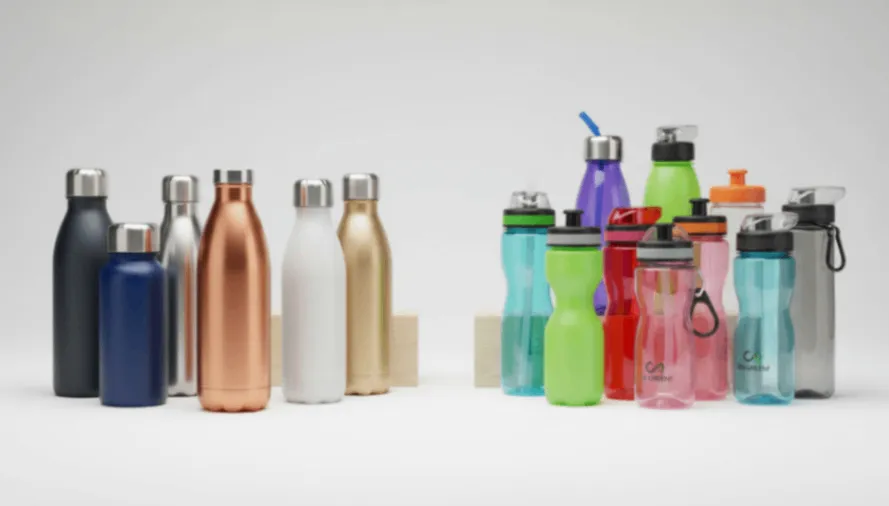
Stainless steel vs plastic water bottles in real-life use scenarios
For wholesalers, distributors, and private label brands, the choice between stainless steel and plastic water bottles determines not only cost, but also performance, sustainability, and market competitiveness.
This guide breaks down the key differences to help you make an informed sourcing decision.
Are Stainless Steel Water Bottles Better Than Plastic?
Stainless steel water bottles are generally better than plastic bottles for durability, safety, and insulation, while plastic bottles remain a lower-cost and lightweight option.
Why Choosing the Right Water Bottle Material Matters
Material selection defines how your product performs in real-world use—and how it is perceived by your target customers.
- Premium markets (Europe & North America) increasingly favor durable, reusable, and high-performance materials
- Consumers are more aware of health, safety, and sustainability
- Product material influences price point, branding, and margins
Choosing the wrong material can limit your brand’s growth potential, while the right choice can elevate your entire product line.
Key Differences Between Stainless Steel and Plastic Bottles
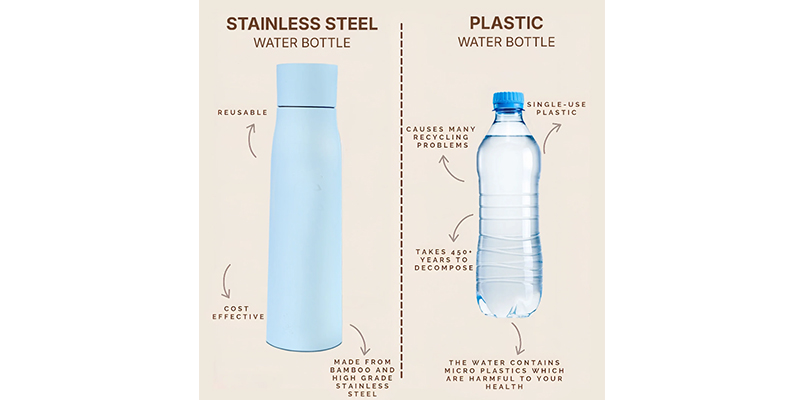
| Feature | Stainless Steel Bottles | Plastic Bottles |
| Temperature Retention | Excellent (vacuum insulation) | None |
| Durability | High | Moderate |
| Safety | BPA-free, non-reactive | May contain chemicals |
| Weight | Heavier | Lightweight |
| Cost | Higher upfront | Lower upfront |
| Sustainability | Long lifespan, recyclable | Shorter lifecycle |
Advantages of Stainless Steel Water Bottles
Durability and Long-Term Use
Stainless steel bottles are built for longevity. Unlike plastic, they resist cracking, warping, and degradation over time, making them ideal for repeated daily use and outdoor environments.
Temperature Retention (Vacuum Insulation)
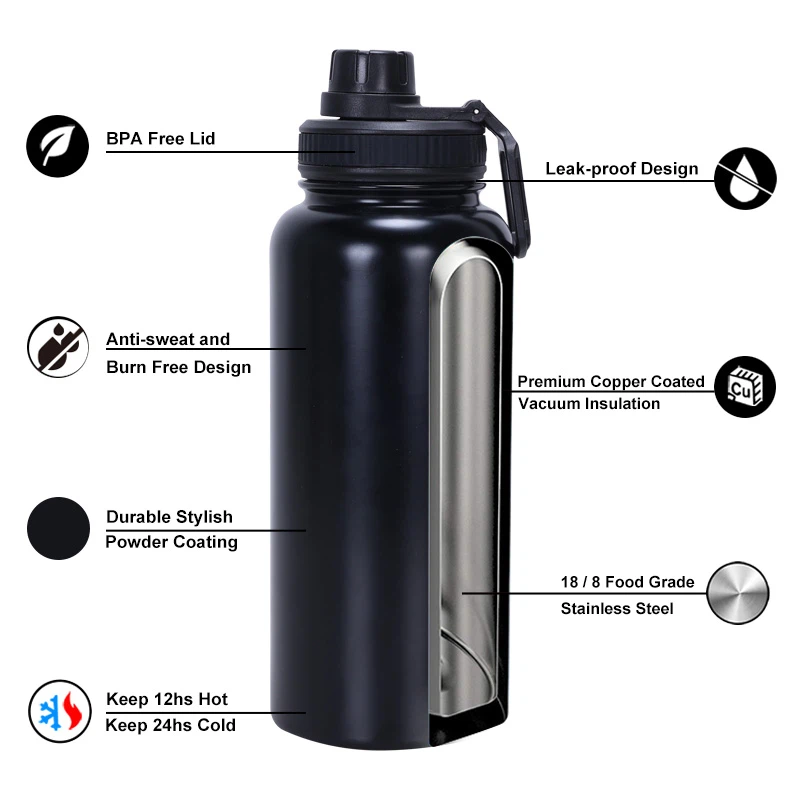
One of the biggest advantages is compatibility with vacuum insulation technology, allowing bottles to:
- Keep drinks cold for up to 24 hours
- Maintain heat for 12+ hours
This performance is not achievable with standard plastic bottles.
For a deeper look at how this works, see our guide on vacuum insulated water bottles
Health and Safety (304 vs 316 Stainless Steel)
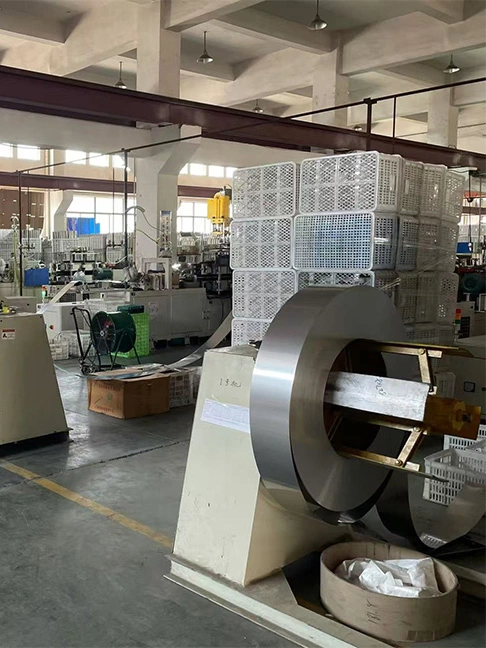
High-quality stainless steel is:
- BPA-free
- Non-reactive with beverages
- Odor-resistant
Most bottles use 304 stainless steel, while 316 stainless steel offers enhanced corrosion resistance—ideal for premium product lines.
Learn more in our detailed comparison:304 vs 316 stainless steel water bottles
Premium Positioning
Stainless steel is widely associated with:
- High-end lifestyle brands
- Outdoor and fitness markets
- Eco-conscious consumers
For brands targeting mid-to-premium segments, stainless steel provides a strong competitive edge.
Advantages of Plastic Water Bottles
Lightweight and Low Cost
Plastic bottles are easy to carry and inexpensive to produce, making them suitable for:
- Mass distribution
- Promotional use
- Entry-level markets
Design Flexibility
Plastic allows for:
- Complex shapes
- Transparent designs
- Bright colors
This makes it attractive for certain consumer segments, especially children’s products.
Limitations in Performance and Durability
However, plastic bottles typically:
- Do not support insulation
- Have shorter lifespans
- Are more prone to wear and damage
Potential Drawbacks of Each Material
Stainless Steel Drawbacks
- Higher upfront cost
- Heavier than plastic
- Can dent under strong impact
Plastic Drawbacks
- Limited durability
- No temperature retention
- Potential chemical concerns over time
While both materials have trade-offs, stainless steel often delivers greater long-term value.
Stainless Steel vs Plastic for Different Use Cases
For Kids and School Use

Plastic bottles are lightweight and easy to handle, but stainless steel offers:
- Better safety (no chemical leaching concerns)
- Higher durability for daily use
For brands targeting school-age users, stainless steel is increasingly preferred in premium segments.
For Outdoor and Sports
Stainless steel is the clear winner due to:
- Insulation performance
- Impact resistance
- Long-term reliability
For Premium Retail Brands
Brands targeting higher margins and stronger positioning typically choose stainless steel due to:
- Perceived quality
- Better user experience
- Longer product lifecycle
Glass vs Stainless Steel vs Plastic (Quick Insight)
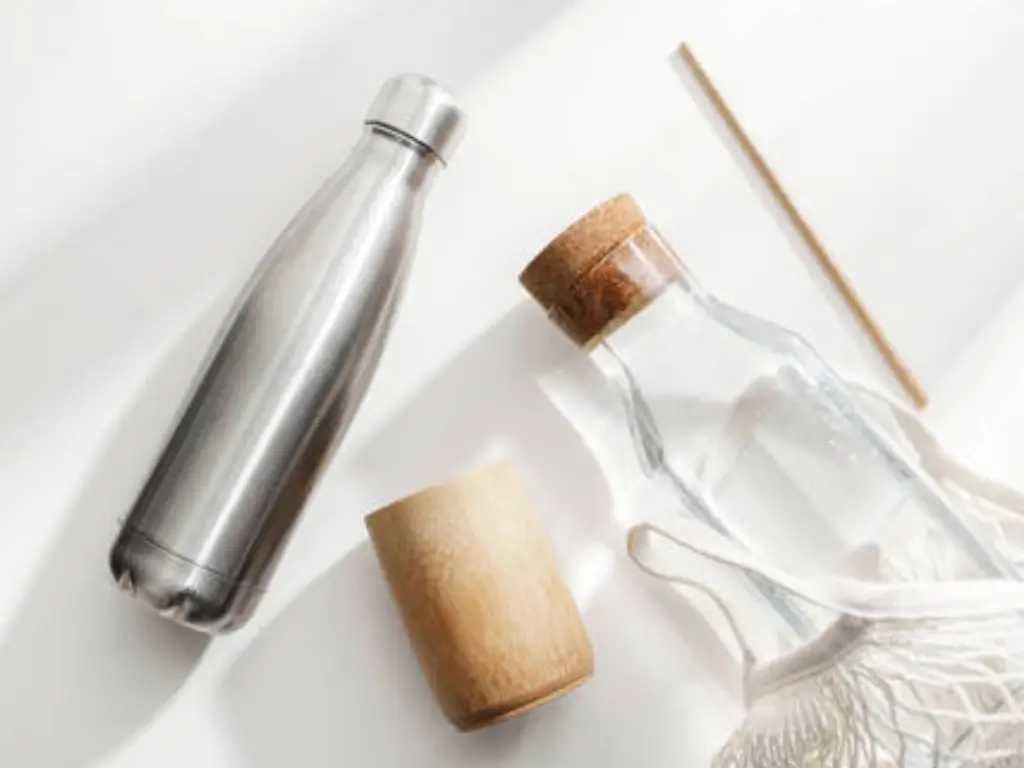
Glass bottles are often considered the safest in terms of chemical stability, but they are fragile and less practical for active use.
Stainless steel offers a balanced solution:
- Comparable safety
- Much higher durability
- Better portability
This makes it the preferred choice for most modern applications.
Cost vs Value: Which Material Offers Better ROI?
While plastic bottles have a lower initial cost, stainless steel provides better long-term value:
- Longer product lifespan
- Higher perceived value
- Stronger brand positioning
For B2B buyers, the real question is not just cost—but return on investment across the product lifecycle.
How to Choose the Right Material for Your Product Line
When selecting between stainless steel and plastic, consider:
- Target market: Premium vs mass market
- Price positioning: Entry-level vs high-end
- Product use case: Daily use, outdoor, kids, or promotional
- Brand strategy: Disposable vs long-term value
For most brands targeting growth in developed markets, stainless steel offers a more sustainable and competitive foundation.
FAQs About Stainless Steel vs Plastic Water Bottles
Are stainless steel bottles safer than plastic?
Yes. High-quality stainless steel is non-reactive, BPA-free, and does not leach chemicals.
Do plastic water bottles contain BPA?
Some do, although many are now BPA-free. However, long-term durability and safety can still be concerns.
Which is better for the environment?
Stainless steel bottles generally have a lower environmental impact over time due to their durability and reusability.
Do stainless steel bottles last longer?
Yes. With proper use, they can last for many years without performance loss.
Conclusion: Choosing the Right Material for Your Brand
The choice between stainless steel and plastic ultimately depends on your brand’s positioning and target market.
However, with growing demand for durability, sustainability, and premium design, stainless steel water bottles are becoming the preferred option for modern brands.
The best solution is not just about material—but about aligning your product with market expectations and long-term value.
Looking to Develop Your Own Water Bottle Line?
Whether you are launching a new product or expanding your existing range, choosing the right manufacturing partner is essential.
We support global brands with:
- OEM & ODM customization
- Material selection (304 / 316 stainless steel)
- Scalable production for international markets
👉 Contact us today to request samples or get a tailored quote
👉 Get our latest product catalog