Quick Answer: The best way to clean a stainless steel water bottle is to wash it daily with warm water and mild dish soap, scrub the interior and lid using specialized bottle brushes, rinse thoroughly, and let all components air dry completely before reassembly. For stubborn odors, stains, or mineral buildup, targeted deep cleaning methods like baking soda or vinegar solutions should be used.
Regular cleaning prevents odors, residue, and mold growth inside your bottle. This comprehensive guide covers daily cleaning steps, deep cleaning techniques, lid care by type, stain and odor removal, cleaning frequency, and best practices to keep your stainless steel water bottle fresh and hygienic.
How to Clean a Stainless Steel Water Bottle
A simple daily washing routine helps remove residue, reduce odor buildup, and keep your stainless steel water bottle fresh between uses.
Step 1: Empty and Rinse the Bottle
After each use, immediately empty any remaining liquid. Rinse the interior of the bottle with warm water to clear loose residue, saliva, or initial liquid buildup.
Step 2: Wash With Warm Water and Mild Dish Soap
Fill the bottle with warm water and add a few drops of mild dish soap. Avoid using harsh chemical detergents, bleach, or abrasive cleaners, as these can damage the internal lining or external coating.
Step 3: Scrub the Inside With a Bottle Brush
Use the right brush for each part of the bottle. A long-handled bottle brush works well for the interior, while smaller brushes help clean straws, threads, and narrow lid openings:
- Long-handled bottle brush: Reaches the bottom corners and deep sidewalls.
- Straw brush: Essential for clearing thin internal straw channels.
- Detail brush: Scrub small threads, drinking spouts, and lid crevices.
Step 4: Clean the Lid, Seal, and Other Components
Remove any detachable silicone gaskets, seals, or straws. Wash the lid, threads, and silicone parts using warm soap and a detail brush to clear hidden moisture trap zones. For detailed care instructions specific to your lid design, see the section below on water bottle lid types.
Step 5: Rinse Thoroughly and Air Dry
Rinse all parts under running warm water until all soap residue is completely removed. Leave the bottle upside down on a drying rack and allow all disassembled components (lid, gasket, straw) to air dry completely before reassembly. Moisture trapped inside sealed parts can create an environment where mold, bacteria, and stale odors are more likely to develop.
How to Deep Clean a Stainless Steel Water Bottle
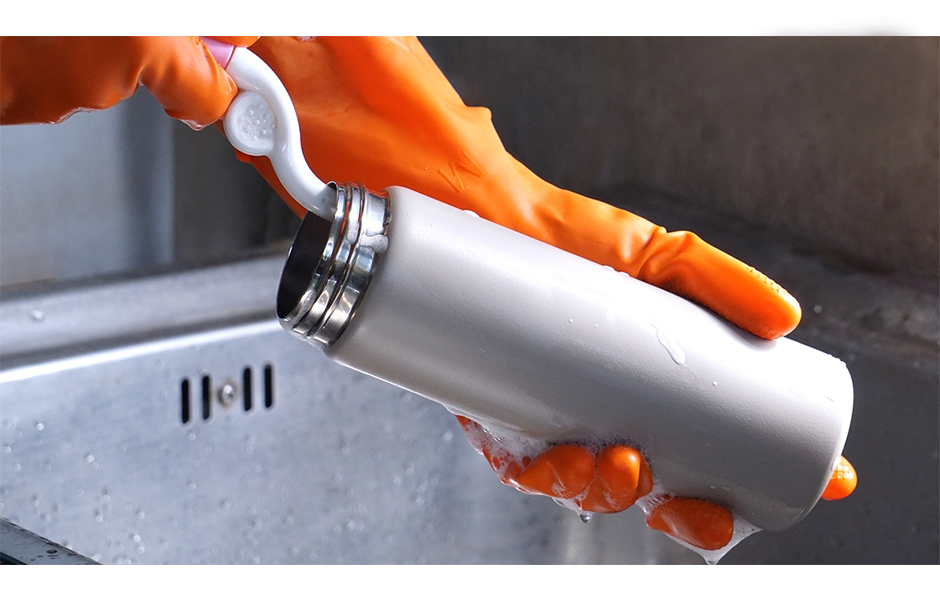
When daily washing isn’t enough, or if lingering odors and stains have developed, perform a deep clean using one of the following methods:
If you’re sourcing insulated stainless steel water bottles for wholesale, choosing a lid with detachable, easy-to-clean components can also simplify everyday maintenance.
How to Deep Clean With Baking Soda
Baking soda is an excellent natural deodorizer that neutralizes acidic odor compounds without scratching stainless steel.
- Add 1–2 tablespoons of baking soda into the bottle.
- Fill with warm water, attach the lid, shake briefly, and let sit for several hours or overnight.
- Scrub interior walls with a bottle brush, pour out the solution, and rinse thoroughly with clean water.
How to Deep Clean With White Vinegar
White vinegar is a mild acid cleaner that can help dissolve mineral deposits, remove residue, and freshen the interior of a stainless steel water bottle.
- Mix equal parts white vinegar and warm water (or 1 part vinegar to 3 parts water for general cleaning).
- Pour into the bottle, attach the lid, shake well, and soak for 15 to 30 minutes.
- Scrub thoroughly with a bottle brush, pour out the solution, and rinse repeatedly with clean warm water to eliminate any remaining vinegar smell.
When to Use Water Bottle Cleaning Tablets
Effervescent water bottle cleaning tablets (or denture cleaning tablets) offer a convenient, hands-free deep cleaning option. Simply fill the bottle with warm water, drop in one tablet, allow it to fizz and soak for 15–30 minutes, scrub lightly, and rinse well.
How to Clean Different Water Bottle Lids
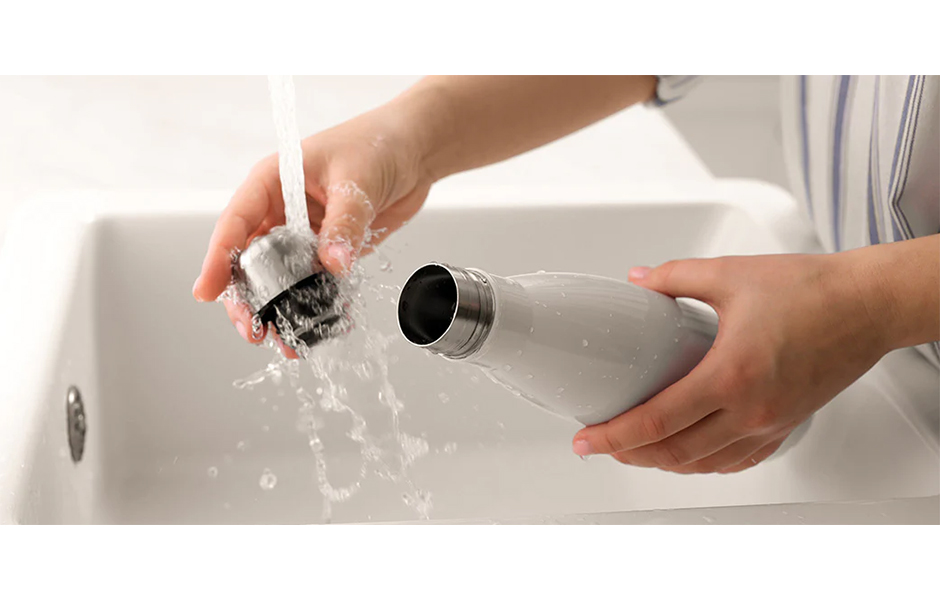
Lids feature complex shapes, channels, and silicone seals that trap moisture. Cleaning focus varies depending on lid construction:
How to Clean a Straw Lid
Straw lids require careful mechanical scrubbing. Remove the flexible straw and use a thin straw brush with soapy water to clean inside the full length. Remove the silicone bite valve or mouth tip to clean underneath, then dry all components separately.
How to Clean a Chug Lid
Press or flip open the spout to keep drinking channels exposed. Use a small detail brush to scrub hinge points, internal drinking spouts, and air vents. Pry out removable silicone ring seals to clean accumulated moisture beneath them.
How to Clean a Flip Lid
Focus scrub efforts around the hinge mechanisms and inner lid surface that presses directly against the rim opening. Open flip caps fully while scrubbing to clear liquid buildup from crevices.
How to Clean a Screw Lid
Screw lids feature simple designs, but residue easily hides along thread grooves. Scrub internal threads using a small brush, pop out the main silicone gasket seal, clean the groove, and let everything dry completely before re-inserting.
How to Clean a Loop or Carry Lid
Dust and sweat accumulate around carry-handle pivot points. Scrub handle hinges using a detail brush, and inspect internal lid seals for hidden dirt.
How to Clean a Smart Lid
For smart lids featuring electronic components, always follow the product-specific cleaning instructions before washing. Do not submerge or soak smart lids in water; wipe external surfaces and underside seals using a damp cloth.
How to Clean a Button Lid
Press internal push-buttons to actuate internal valves. Scrub exposed valve mechanisms thoroughly to clear dried liquid residue and prevent button sticking.
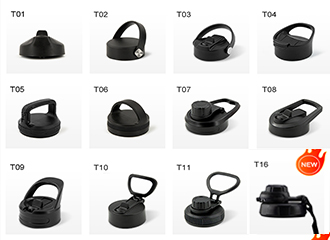
Unsure about your lid type? Read our comprehensive guide on water bottle lid types to identify your bottle cap style and structure.
How Often Should You Clean a Stainless Steel Water Bottle?
Establishing proper washing frequencies prevents hidden bacterial growth and maintains liquid freshness:
How Often Should You Wash a Water Bottle Used for Water?
Regular use can introduce bacteria and food or beverage residue around the drinking opening, which is why daily cleaning is recommended even when filled only with plain water.
When Should You Deep Clean Your Water Bottle?
Deep clean your bottle every few weeks, or sooner if you notice lingering odors, stains, mineral deposits, or buildup.
How Often Should You Clean the Lid and Seal?
Rinse spouts daily, and clean removable lid seals regularly, especially if moisture or residue collects underneath them.
How to Remove Odors, Stains, and Mineral Buildup
How to Remove Stains From a Stainless Steel Water Bottle
Tea, coffee, and electrolyte mixes leave stubborn surface stains. Create a thick paste using baking soda and a small amount of warm water. Apply paste to stained areas using a soft bottle brush, let sit for 15 minutes, then scrub thoroughly and rinse. For stubborn coffee or tea stains, repeat the treatment rather than using abrasive scouring pads.
How to Remove White Spots and Mineral Deposits
White spots, cloudy films, or rainbow streaks inside stainless steel water bottles can be caused by hard water mineral scale and other surface residue. Fill the bottle with a solution of 1 part white vinegar (or lemon juice) to 3 parts warm water. Let soak for 30–60 minutes to help dissolve mineral deposits, then scrub lightly and rinse.
How to Remove Odors From a Stainless Steel Water Bottle
A stale or unusual odor can result from residual dried liquids, trapped moisture, or buildup inside the bottle or lid. Soak the interior overnight with a warm water and baking soda mixture. Wash, rinse, and ensure all lid gaskets are removed and completely air-dried before reassembling.
What to Avoid When Cleaning a Stainless Steel Water Bottle
Dishwasher Use and Stainless Steel Water Bottle Care
Repeated dishwasher exposure may affect exterior coatings, lid components, or seals depending on the bottle’s construction. Always follow the manufacturer’s care instructions; if not explicitly labeled dishwasher-safe, hand washing is the safer choice.
Clean the Bottle Promptly After Milk, Juice, or Protein Drinks
Perishable or sugary liquids like milk, fresh juices, sports drinks, and protein shakes spoil quickly and promote bacterial growth. Clean your bottle immediately after holding these beverages rather than letting them sit overnight.
Avoid Abrasive Cleaners, Bleach, and Harsh Scrubbing
Avoid steel wool, wire brushes, and harsh scouring pads, which can scratch stainless steel or damage protective finishes. Similarly, avoid chlorine bleach or harsh chemicals that can degrade seals. Use a soft bottle brush or non-abrasive cleaning tool instead.
Dry the Bottle and Components Completely Before Storage
Never seal a bottle shut while the interior or lid parts are still damp. Store unsealed bottles in a well-ventilated area with caps off to prevent moisture buildup and stale odors.
Stainless Steel Water Bottle Cleaning FAQs
Q: What is the best way to clean a stainless steel water bottle?
A: The best way is daily hand washing with warm soapy water and a long bottle brush, followed by thorough air-drying with all lid parts removed.
Q: Can you clean a stainless steel water bottle with baking soda?
A: Yes, baking soda safely deodorizes and cleans stainless steel. Soak the interior with warm water and 1–2 tablespoons of baking soda for several hours.
Q: How do you deep clean a stainless steel water bottle?
A: Deep clean using baking soda soaking solutions, white vinegar mineral treatments, or dedicated water bottle effervescent cleaning tablets.
Q: How often should you wash a stainless steel water bottle?
A: Wash your water bottle daily, rinse lid spouts after each use, and perform deep cleaning every few weeks or as needed.
Q: How do you clean a water bottle lid?
A: Disassemble all removable parts, including silicone seals and straws. Scrub threads, spouts, and grooves using specialized detail brushes and warm soapy water.
Q: How do you remove stains from a stainless steel water bottle?
A: Scrub interior coffee or tea stains using a non-abrasive brush with a paste made of baking soda and warm water.
Q: Can you put a stainless steel water bottle in the dishwasher?
A: Check manufacturer instructions. Hand washing is generally recommended to protect exterior powder coatings and preserve silicone vacuum seals.
Q: How to clean a stainless steel water bottle with vinegar?
A: Mix 1 part white vinegar with 3 parts warm water, pour into the bottle, let it soak for 15–30 minutes, then scrub thoroughly with a bottle brush and rinse well with warm water.
Looking for Easy-to-Clean Stainless Steel Water Bottles for Your Brand?
YEWAY manufactures custom stainless steel water bottles with practical lid designs, food-grade materials, and components engineered for easy cleaning and daily use. Our stainless steel water bottle OEM/ODM manufacturing capabilities support custom logos, colors, packaging, and OEM/ODM programs for brands and B2B buyers.