Trusted by 500+ global brands. Inquiry response within 2 hours.
Reliable Global Logistics
We offer flexible shipping solutions, including Sea, Air, and Rail freight (DDP/CIF/FOB), ensuring your bulk orders arrive safely and on time. Partnering with top-tier carriers, we provide real-time tracking and optimized loading to minimize transit costs and prevent deformation of stainless steel products.
Our Quality Commitment
Every Yeway bottle undergoes rigorous QC inspections before dispatch. We stand behind our craftsmanship with a 1-year quality warranty. Should you encounter any manufacturing defects or shipping damages, our dedicated support team will provide a solution—ranging from immediate replacements to credit refunds—within 48 hours.
Your brand’s reputation is our priority. We don't just ship products; we deliver peace of mind.
Walk into any design-led retail space in 2026—whether in Milan, New York, or Tokyo—and you’ll notice something striking about the water bottles on display. They’re quieter. Cleaner. More intentional.
We’re living through a cultural shift in how consumers evaluate everyday objects. After decades of logos screaming for attention, the market has pivoted toward something more refined. For brands developing custom water bottle design, this isn’t just an aesthetic choice—it’s a commercial imperative. And for procurement teams searching for a private label water bottle manufacturer who understands the difference between production and partnership, this shift is everything.
The “Less is More” Philosophy in Modern Branding
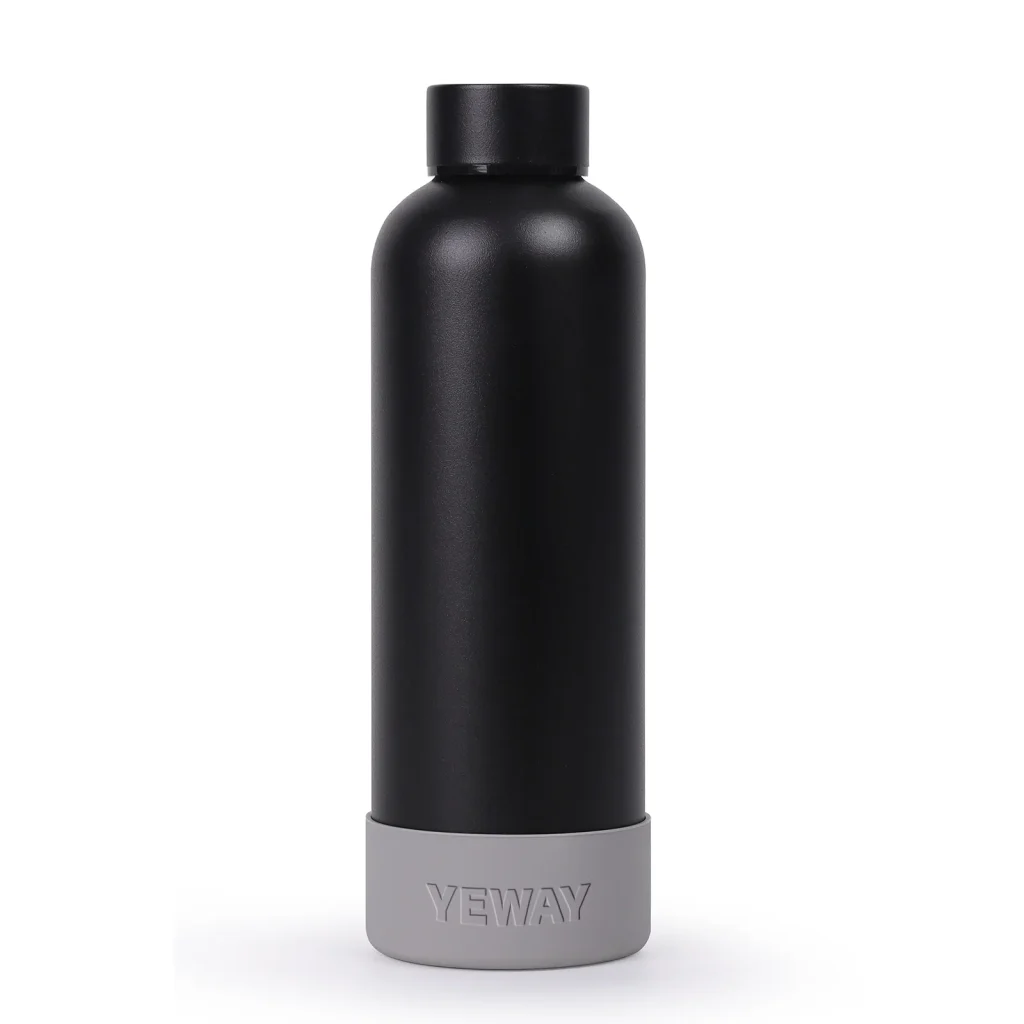
Here’s a question worth sitting with: When was the last time you saw an Apple product covered in badges?
The brands that define modern luxury have trained consumers to associate restraint with quality. Tesla doesn’t plaster badges across their vehicles. Aesop doesn’t shout from their packaging. And in the drinkware space, minimalist drinkware trends are following the same trajectory—because buyers have learned that confidence doesn’t need to announce itself.
The consumer psychology is straightforward: In a world of noise, silence reads as premium. A water bottle with clean lines, neutral tones, and no visible branding suggests that the object itself is valuable enough to stand on its own merits. It signals to the owner—and to anyone who notices it on their desk or in their bag—that this wasn’t a rushed purchase from a gas station. This was a considered choice.
“What you leave out says as much as what you include. In premium drinkware, the absence of clutter is the point.”
For brands developing their product design philosophy, this means unlearning old habits. The instinct to add—another color, another logo placement, another decorative element—runs counter to what actually drives perceived value in 2026. The question isn’t “what else can we include?” It’s “what can we remove without compromising function?”
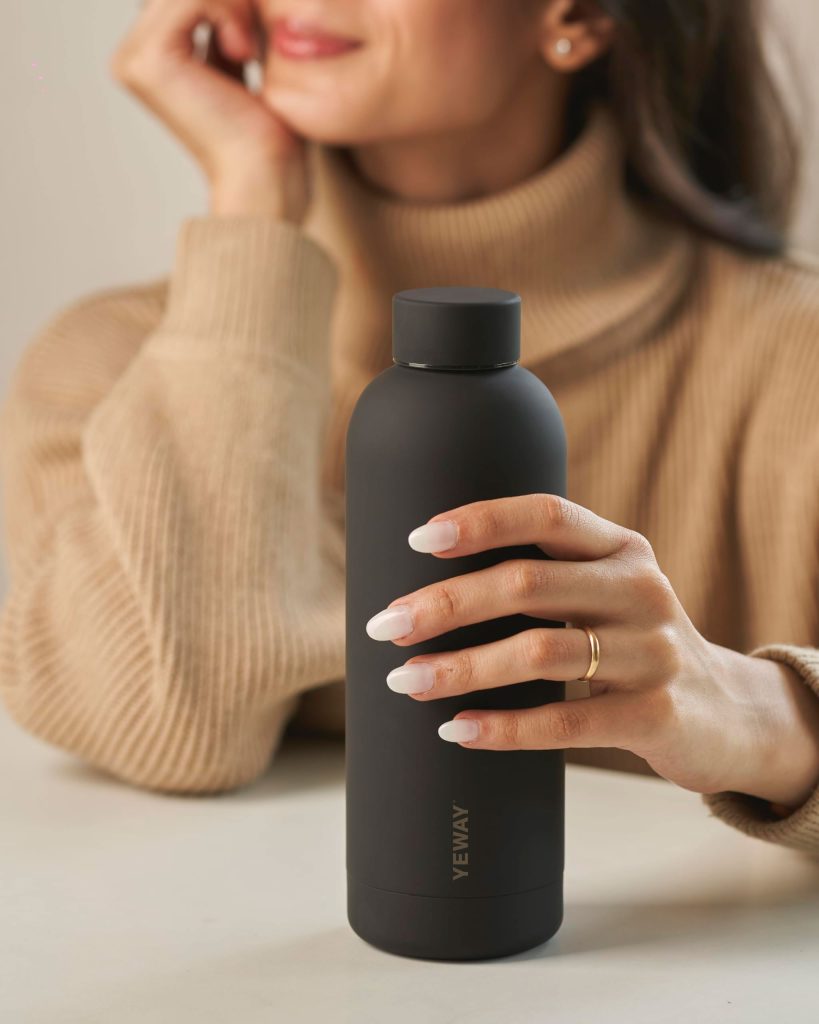
The Anatomy of a Bespoke Stainless Steel Flask
Let’s be clear about something: Minimalist doesn’t mean simple to produce.
If you’ve ever handled a truly well-made object—a precision watch, a high-end laptop, a luxury pen—you know that the cleanest exteriors usually hide the most engineering. The same holds true for premium water bottle aesthetics, particularly when developing bespoke stainless steel flasks for discerning markets.
Take the seam where the body meets the base. On a commodity bottle, you’ll see a visible weld line, often covered by a plastic bumper or a colored band. On a design-led bottle, that seam disappears entirely. It’s not magic—it’s laser welding with tolerances measured in microns, followed by hand-polishing that blends the join until it’s invisible to both eye and touch.
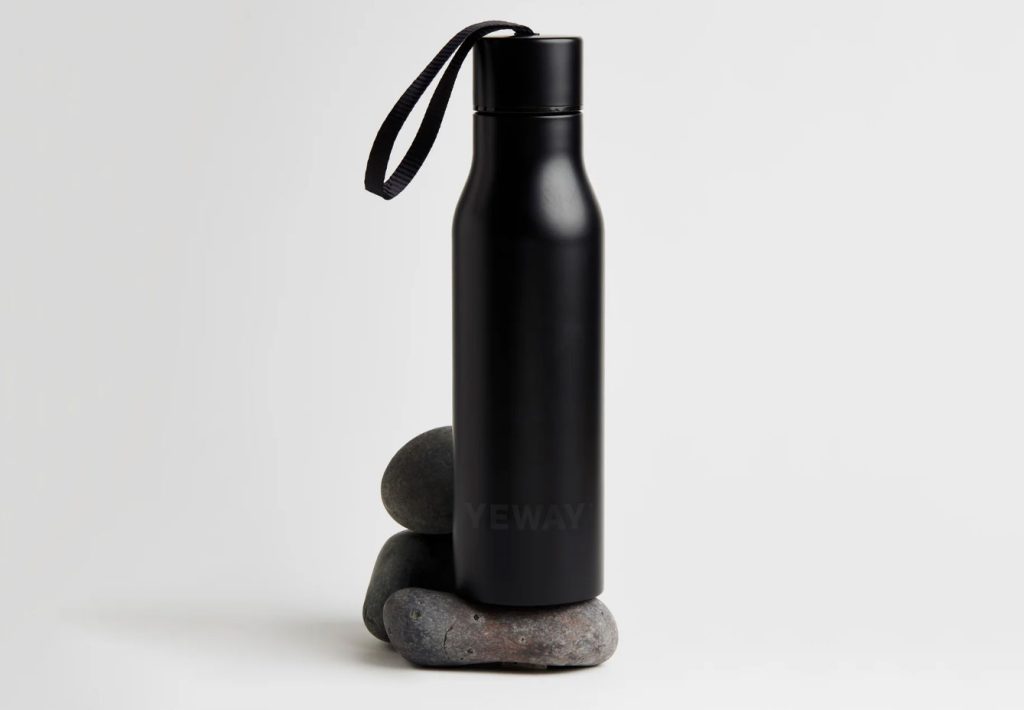
The surface finish tells its own story. Mass-market bottles often use glossy coatings that hide material quality behind layers of paint. Premium architectural design bottles, by contrast, let the material speak. Brushed stainless steel with grain direction meticulously aligned. Ceramic coatings that mimic natural stone. Matte finishes finished with a Matte Powder Coating that feels warm rather than clinical.
Even the lid—usually an afterthought in conventional manufacturing—becomes an opportunity for refinement. Magnetic alignment so the logo sits perfectly every time. Silicone gaskets that seat flush rather than bulging. Opening mechanisms that require exactly the right resistance—not too loose, not too tight.
None of this happens by accident. It happens when brands partner with manufacturers who understand that “simple” is the most difficult thing to execute well.
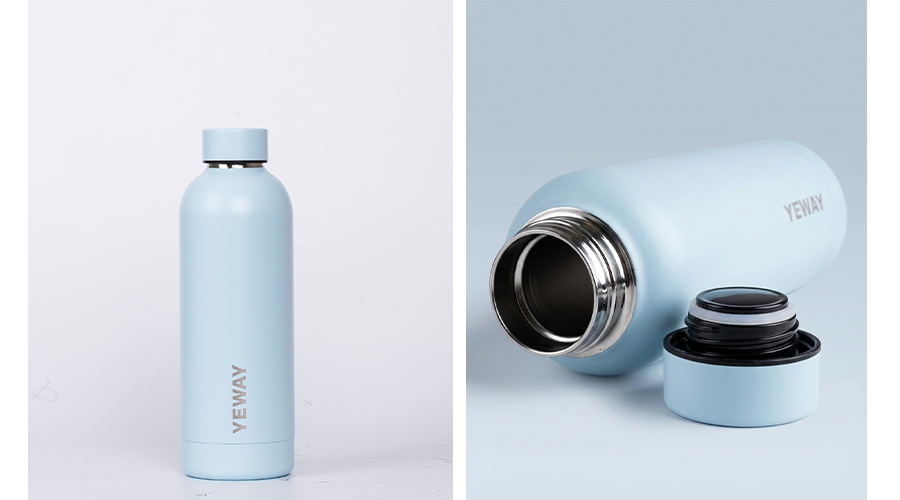
How Design Translates to Market ROI
For procurement managers and brand directors, the aesthetic conversation eventually lands on a practical question: Does this actually move the needle on margins?
The short answer is yes—and the data backs it up. Brands that execute a coherent brand premium strategy through product design consistently achieve 30-50% higher MSRP than functionally identical competitors. Not because the materials cost more (though they often do), but because the perceived value is fundamentally different.
Here’s how that works in practice:
The tactile premium. When you pick up a bottle with that soft, almost velvety Matte Powder Coating finish, your brain registers it immediately as expensive. You don’t need to read a label. Your hands know. And in a category where products are touched multiple times daily, that haptic signal reinforces the purchase decision every single time.
The silence of branding. Loud logos have become culturally associated with entry-level products and tourist souvenirs. By contrast, B2B custom branding solutions for global distributors that emphasize subtlety—laser etching, bottom placement, tone-on-tone finishing—position the product within the “quiet luxury” segment that’s driving premium growth across consumer goods.
The packaging premium. Here’s something many brands overlook: The unboxing experience is part of the product. Sustainable luxury packaging—think molded fiber inserts, recycled paper wraps, minimalist boxes that feel substantial—extends the design philosophy to the moment of first touch. It tells the customer: This object deserves protection. And it tells retailers: This brand understands presentation.
The eco advantage. By 2026, sustainability is no longer a differentiator—it’s a baseline expectation. But eco-friendly luxury drinkware takes it further. Single-wall construction that reduces material use. Modular designs that simplify recycling. Finishes that last decades rather than seasons. True sustainability isn’t about green labels; it’s about building objects people keep.
The emotional math. A consumer doesn’t just calculate whether a bottle holds water. They calculate whether it enhances their morning routine, whether it looks right in their office, whether it signals something about their taste. That emotional calculation is where premium pricing lives. Solve for that, and price sensitivity drops dramatically.
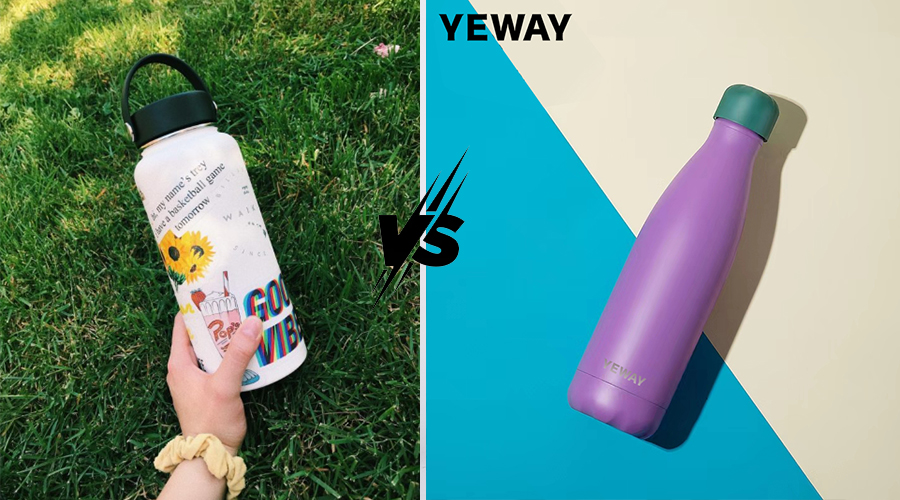
YEWAY’s Design-Centric OEM/ODM Workflow
We’ve spent over a decade manufacturing for brands that refuse to compromise. And in that time, we’ve developed a clear perspective: Great design doesn’t happen in a silo. It happens when manufacturing expertise and creative vision work in tandem from day one.
As a private label water bottle manufacturer serving clients across North America and Europe, YEWAY approaches every project with a simple question: What does this brand need to say, and how can form say it better than graphics?
Our in-house design team produces more than 450 new concepts annually—not because we expect clients to pick from a catalog, but because we believe in pushing possibilities. We explore proportions, surface treatments, material combinations. We test how light moves across a curved surface. We refine the transition points where hand meets object.
For brands building their visual language from scratch, our OEM/ODM design solutions offer a collaborative path forward. We help translate brand values into physical form—whether that means developing a signature silhouette, selecting finishes that align with your color philosophy, or engineering custom closures that become part of your identity.
And for brands concerned about minimums? We’ve structured our operations to offer low MOQ for high-end design without compromising on execution. You don’t need to order container loads to access true craftsmanship.
Because we control the entire manufacturing process, nothing gets lost in translation. The design we present is the product you can actually bring to market.
Visual Suggestion: A clean comparison table showing the difference between mass-market execution and YEWAY’s approach.
Design Audit: Traditional vs. Minimalist
To help you visualize the difference, here is a comparison between a typical commodity water bottle and a YEWAY minimalist creation:
| Design Element | Traditional Commodity Bottle | YEWAY’s Approach |
| Form Factor | Busy shapes, decorative elements that add no function | Clean lines that follow ergonomic logic |
| Color Palette | Bright primaries, gradient effects, seasonal colors | Neutral foundations (Stone, Charcoal, Warm Metal) |
| Logo Placement | Centered, color-contrasted, maximum visibility | Engraved, aligned to structure, visible only on close inspection |
| Packaging | Clamshell plastic, glossy printed boxes | Sustainable luxury packaging, minimal branding, recyclable materials |
| User Perception | Functional tool, easily replaced | Personal object, worth keeping |
Frequently Asked Questions
How does minimalist design affect the manufacturing cost of water bottles?
Minimalist design typically shifts cost from decoration to construction. While you save on multi-color printing and complex branding applications, you invest more in precision tooling, superior surface finishing, and tighter quality control. The net effect is often cost-neutral at production but allows for significantly higher retail pricing due to perceived value.
Can YEWAY match specific Pantone colors for minimalist branding?
Yes. We maintain extensive color-matching capabilities for all our finishing processes, including Matte Powder Coating and ceramic applications. Whether you need a specific neutral tone for your brand identity or a custom metallic accent, we can match Pantone references with tight tolerances.
What is the difference between OEM and ODM in luxury drinkware?
OEM (Original Equipment Manufacturing) means you provide your designs and specifications, and we execute them to your standards. ODM (Original Design Manufacturing) means we present our existing design concepts, which you can customize with your branding and finish selections. Both paths are available at YEWAY, depending on where you are in your product development journey.
Let’s Build Something That Lasts
If you’re tired of suppliers who treat design as decoration—who add things because they don’t know what to remove—we should talk.
YEWAY works with brands that understand the commercial value of restraint. Whether you’re launching your first collection or reimagining an existing line, our design and manufacturing teams are ready to help you execute at the level your vision deserves.
Contact our team to discuss your custom water bottle project.